The fascinating journey of gambling through history
Ancient Beginnings of Gambling
The history of gambling dates back to ancient civilizations, where games of chance were often intertwined with rituals and social customs. Archaeological findings suggest that dice, a fundamental gambling tool, were used as early as 3000 BC in Mesopotamia. These early games served not only as entertainment but also as a means for people to engage in societal bonding and decision-making processes. They were reflective of the human desire to challenge fate and seek fortune.
In ancient China, gambling took on various forms, including betting on games such as Pai Gow and the lottery-like Keno. These games were deeply ingrained in cultural practices, with references found in historical texts dating back to the Han Dynasty. The use of tiles for gambling is another significant aspect, indicating that gambling was a popular pastime that contributed to community interactions and commerce. Ancient cultures often viewed gambling as a way to invoke luck, demonstrating its enduring appeal.
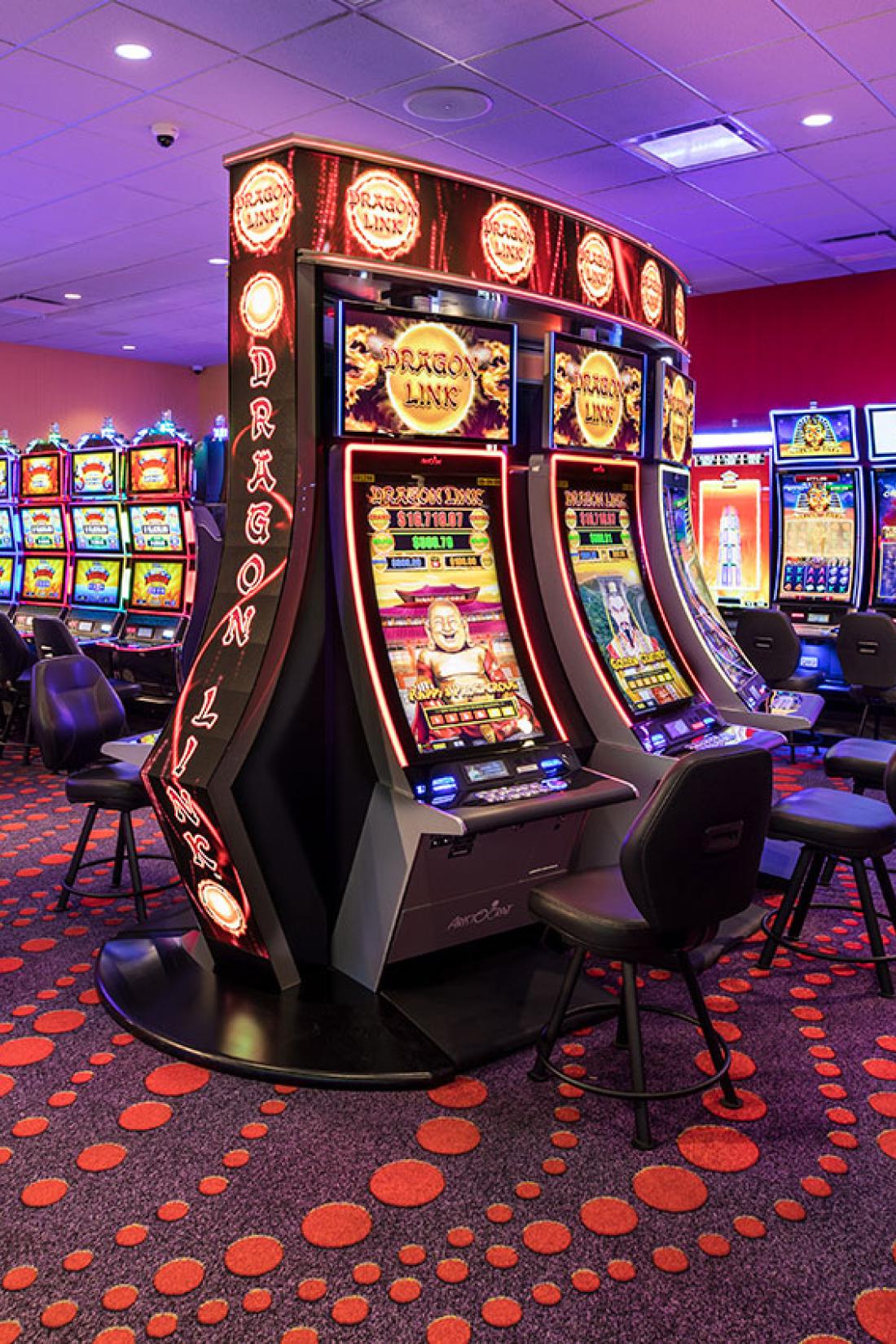
Similarly, in ancient Rome, gambling was common among the populace, despite its regulation by the state. The Romans had various games, such as those involving dice and betting on gladiatorial combats. Roman emperors recognized the potential economic benefits of gambling, which led to state-sanctioned events. However, this popularity also led to concerns regarding moral decay, resulting in fluctuations in acceptance and regulation throughout history.
The Middle Ages and Its Attitudes Toward Gambling
The Middle Ages saw a complex relationship between gambling and society, particularly influenced by religious beliefs. While some viewed gambling as a vice, others saw it as a form of entertainment. The Church often condemned gambling, associating it with sin and moral corruption. This tension resulted in varying degrees of acceptance across different regions, with some areas implementing strict regulations against gambling activities.
As the economy developed, so did gambling. The emergence of gaming houses became evident, creating a more structured environment for betting. People began to participate in card games, and the first recorded instance of playing cards in Europe dates back to the 14th century. These developments marked a transition from informal betting to organized gambling, laying the groundwork for modern casino culture. The popularity of gaming houses signified a growing acceptance of gambling as part of social interaction.
During the later Middle Ages, the establishment of lotteries became a significant development in gambling history. Governments organized lotteries to fund public projects, such as roads and schools. These lotteries reflected a shift in perception, as gambling began to be seen as a potential tool for social good rather than merely a vice. This change illustrated how societal values were evolving, paving the way for a more prominent role of gambling in public life.
The Evolution of Gambling in the Modern Era
The transition to the modern era in the 17th and 18th centuries saw the rise of formalized gambling institutions. The first modern casino, the Casino di Venezia, opened in Italy in 1638, and it marked the beginning of a new chapter for gambling. These establishments attracted the upper class, offering a luxurious atmosphere and a variety of games. The development of casinos not only revolutionized gambling but also led to the establishment of rules and regulations that continue to govern the industry today.
In the 19th century, gambling spread across Europe and the Americas, catalyzed by the Industrial Revolution. The expansion of railroads and urban areas facilitated access to gambling establishments. This period saw the introduction of various games, including poker and roulette, which remain staples in casinos worldwide. Furthermore, the establishment of betting shops became commonplace, allowing individuals to place wagers on various sports and events, effectively transforming gambling into a mainstream activity.
As gambling gained popularity, so did concerns regarding its impact on society. The late 19th and early 20th centuries experienced a backlash against gambling, leading to various forms of prohibition. However, these restrictions often proved ineffective, resulting in the underground gambling scene thriving. The eventual legalization of gambling in several states and countries in the mid-20th century marked a significant turning point, recognizing gambling as a legitimate entertainment industry.
Gambling in the Digital Age
The advent of the internet in the late 20th century revolutionized the gambling industry, giving rise to online casinos and betting platforms. This digital transformation made gambling more accessible, allowing players to engage in their favorite games from the comfort of their homes. With the introduction of secure payment methods and user-friendly interfaces, online gambling quickly became a global phenomenon. Websites began offering a vast array of games, from slots to live dealer options, catering to various player preferences.
Mobile technology further propelled the gambling industry, as players could now access gaming platforms on their smartphones and tablets. This shift not only expanded the audience but also encouraged operators to innovate and enhance user experiences. Live dealer games, for instance, brought the casino atmosphere to players’ living rooms, with real dealers streamed in real-time. The convenience and excitement of mobile gaming significantly transformed gambling habits, emphasizing the importance of technology in shaping modern entertainment.
Despite its growth, online gambling also raised concerns regarding regulation and responsible gaming. Governments and regulatory bodies began to implement measures to ensure player protection and promote responsible gambling practices. Many online casinos adopted features such as self-exclusion tools and deposit limits to foster a safer gambling environment. As the industry continues to evolve, the balance between innovation and responsibility remains a focal point in discussions about the future of gambling.
Explore the Thrilling World of Online Gambling
Today, online gambling has become a multi-billion-dollar industry, offering a diverse range of options for players worldwide. Casinos like Cupidono Casino Canada exemplify this transformation, providing users with an extensive selection of over 8,200 games, including slots, table games, and live dealer experiences. These platforms not only cater to seasoned players but also attract newcomers with generous welcome bonuses and free spins, ensuring an engaging experience.
In addition to a vast game library, Cupidono Casino prioritizes user experience through a fully responsive design, allowing seamless access on mobile devices. This focus on accessibility ensures that players can enjoy their favorite games anytime, anywhere, without the need for cumbersome downloads. The integration of a robust sportsbook adds another layer of excitement, catering to sports enthusiasts who wish to combine their passion for sports with the thrill of betting.
As the gambling landscape continues to evolve, platforms like Cupidono Casino Canada are committed to promoting responsible gambling. By implementing secure practices and offering resources for players, they ensure a safe and enjoyable gaming environment. Join the exhilarating world of online gambling and experience the captivating journey that has spanned centuries, culminating in today’s thriving digital landscape.